Dry Eyes in Spring: Why Allergy Season Makes Symptoms Worse
Spring has a way of making people think about fresh air, open windows, and longer evenings. It also has a way of making eyes feel irritated, gritty, and strangely exhausted by midafternoon. For many people, the first warm stretch of the year brings a familiar pattern: watery eyes that still feel dry, lids that feel swollen, and the maddening sense that blinking should help more than it does. It often gets dismissed as simple allergies, and allergies are part of the story, but spring eye symptoms are usually more complicated than that.
Dry eyes and allergy season overlap in a way that catches people off guard. The same pollen that triggers sneezing can also irritate the surface of the eye, destabilize the tear film, and set off a cycle of rubbing, inflammation, and more irritation. In practice, that means a person may feel both dryness and tearing at the same time. The eyes water because they are irritated, but the tears are not the kind that protect and lubricate well. They are a reflex response, not a fix.
That distinction matters. If you only treat the itch and ignore the underlying dryness, symptoms often drag on for weeks. If you only treat dryness and ignore the allergy component, the eyes stay inflamed and uncomfortable. Spring eye care works best when it respects both sides of the problem.
Why spring is so hard on the eyes
The eye’s surface is covered by a thin tear film that does more than keep things moist. It smooths vision, protects against debris, and helps control irritation. That tear film depends on a balance of water, oil, and mucus. When that balance gets disrupted, the eye becomes vulnerable fast.
Spring throws several irritants at that system at once. Pollen is the obvious one, but it is not the only one. Windy days push particles directly onto the eye surface. Dry indoor air, especially from HVAC systems that are still running as the weather swings, pulls moisture away. People also tend to spend more time outside, drive with the windows down, and rub their eyes after exposure. Each of those behaviors sounds harmless in isolation. Together, they can turn a mild issue into a daily problem.
One of the most frustrating things I see in spring is that people assume watery eyes mean they have too many tears, so dryness gets ruled out too quickly. But the eye can overproduce low-quality tears in response to irritation. That is one reason dry eyes allergy season can feel so confusing. The eye is not actually comfortable, it is just reacting.
The allergy connection is not just itching
Itchy eyes allergies are usually the first clue people notice. The itch can be intense, almost impossible to ignore, and rubbing feels instinctive. Unfortunately, rubbing the eyes tends to make everything worse. It can spread allergens across the eyelids, worsen inflammation, and disrupt the tear film even further. After a few rounds of rubbing, the eye may feel burning, swollen, or light-sensitive in addition to itchy.
Allergic conjunctivitis, the common eye reaction to allergens, causes redness and swelling on the surface of the eye and inner eyelids. That swelling changes how tears move across the eye. The ocular surface becomes more reactive, which means a small amount of dryness or wind can feel much bigger than it should. In that setting, seasonal eye irritation is not just a nuisance, it is a cycle.
There is also a practical reason the eyes feel worse in spring than in some other seasons. People often change their routines. They might sleep with windows open, go for runs outside, mow the lawn, garden, or clean up dust that has accumulated over winter. Pollen gets tracked indoors on clothes and hair. Even if someone has lived in the same city for years, a particularly high pollen week can still tip symptoms from manageable to miserable.
Why the eyes can feel both dry and watery
This is where a lot of people get confused. They expect dry eyes to mean the eye feels parched, while allergies mean it feels swollen and watery. In real life, the two often happen together.
When the eye surface gets irritated, the nerves on the cornea send a distress signal. The tear glands respond by producing more tears. Those tears are often produced in a hurry, so they are not well balanced. They may wash over the eye briefly, but they do not linger long enough to restore comfort. Meanwhile, the tear film may already be evaporating too quickly, especially if the oil layer is weak. The result is that the eye feels dry, yet the face is damp.
A patient may describe this as eyes that water constantly but still burn when they read, drive, or work on a computer. That pattern is common. It is one of the reasons eye symptoms in spring should not be treated as a simple one-dimensional problem. If the tears are poor quality, more tears are not necessarily the answer.
Digital screen time can amplify the issue too. People blink less while reading or working on a laptop, and incomplete blinks are more common when attention is focused. That means the tear film breaks up faster. Someone with mild spring allergies may do fine outdoors but feel noticeably worse by the end of a workday indoors. The environment changes, but the symptoms continue because the underlying surface of the eye is already stressed.
What actually worsens dry eyes allergy season
Several factors tend to pile on at once, and each one makes the others harder to tolerate. Wind dries the eye surface. Pollen triggers immune reactions. Air conditioning or indoor heating reduces humidity. Rubbing inflames the eyelids. Poor blinking during screen use speeds up tear evaporation. Contact lenses can trap irritants or feel more noticeable when the tear film is unstable.
There are also individual differences that make a big impact. People with meibomian gland dysfunction, for example, often have trouble producing the oily component of tears. That makes them more susceptible to evaporation, especially in spring weather. Someone with eczema, asthma, or a history of seasonal allergies may be more likely to notice their eyes become part of a bigger allergy pattern. Age matters too. Tear production and tear quality can change over time, and many adults do not notice that shift until a season like spring exposes it.
A subtle but important issue is that some over-the-counter allergy drops can help one symptom while aggravating another if they are not chosen carefully. A drop that reduces itching may not address dryness well, and some products can leave eyes feeling even drier if used too often. That does not mean allergy drops are a bad idea. It means the eye surface should be considered as a whole, not just the itching.
Signs it is more than a minor nuisance
People often normalize spring eye discomfort longer than they should. Mild symptoms may come and go with pollen counts, but certain patterns suggest the eyes need more attention. Blurred vision that clears after blinking, burning that gets worse as the day goes on, sensitivity to light, or eyelids that stick together in the morning can all point to a tear film problem layered on top of allergies. So can the feeling that one eye is always worse than the other, especially if there is a history of contact lens wear or lid inflammation.
Redness alone is not enough to tell the full story. Some eyes look dramatic but are fairly mild in symptoms. Others look only a little pink and feel miserable. The symptom pattern matters more than the mirror test.
If symptoms linger through most of the spring, recur every year, or interfere with work, driving, or sleep, it is worth getting evaluated by an eye doctor Riverside patients trust for seasonal eye issues. That is especially true if over-the-counter remedies only provide brief relief or if the person is starting to depend on drops several times a day just to get through a work shift. Persistent irritation deserves a closer look.
What helps most in day-to-day life
The best results usually come from reducing exposure, calming inflammation, and supporting the tear film at the same time. That sounds simple, but the details matter.
A cold compress can be surprisingly effective during a flare because it helps quiet the itch and reduce lid swelling. Artificial tears, especially preservative-free options, can flush out irritants and restore moisture without adding more inflammation. People often underuse them. A single drop in the morning is rarely enough if the eyes are exposed to pollen all day. Using them before going outside and again after exposure can make a meaningful difference.
It also helps to treat the eyelids as part of the problem. The oil glands along the lid margins play a major role in tear stability. When they are inflamed or clogged, the tear film falls apart more quickly. Gentle lid hygiene, warm compresses when appropriate, and avoiding heavy eye rubbing can support those glands. In spring, though, when itch is the driving force, a cold compress is often more soothing than heat.
Environmental control is practical, not glamorous, but it matters. Keeping windows closed on high pollen days, running a clean filter in the home, and showering or washing the face after being outdoors can reduce the amount of pollen that reaches the eyes. Sunglasses help more than people expect. They act as a physical barrier, especially on windy days or during walks in high-pollen areas.
Contact lens wearers may need to be especially flexible. Some can wear lenses comfortably with a few adjustments. Others do better switching to glasses during peak allergy weeks. It is not a failure to take a break from contacts. It is often the fastest way to calm the ocular surface.
When home care is not enough
There is a point where symptoms stop being a seasonal inconvenience and start becoming a medical problem. That tends to happen when the eyes stay inflamed despite reasonable self-care, or when the person keeps having recurring flares every spring that gradually become harder to manage. Sometimes there is an untreated dry eye condition underneath the allergies. Sometimes the allergy treatment is incomplete. Sometimes both are present and reinforcing each other.
An eye exam can reveal details that symptoms alone cannot. The tear film can be assessed, the lid margins inspected, and the cornea checked for irritation or damage. That kind of evaluation is important because chronic surface inflammation can become stubborn over time. Catching the pattern early often means simpler treatment.
Treatment options may include prescription allergy drops, dry eye therapies, lid hygiene plans, or guidance on environmental triggers. The right plan depends on what is actually driving the symptoms. A person with mostly allergy-driven inflammation may need a different approach than someone whose meibomian glands are underperforming. Someone with both conditions needs a blended strategy. best eye doctor The best outcome usually comes from specificity, not guesswork.
A few habits that pay off over the whole season
A practical spring eye routine does not have to be complicated, but it should be consistent. The most effective habits are usually the boring ones that people repeat every day because they actually work.
First, protect the eyes before exposure when possible. If you know you are heading out on a windy day or working in the yard, use lubricating drops beforehand and wear sunglasses. Second, reduce direct rubbing. If the itch is intense, a cool compress is a better first response. Third, keep indoor air from becoming too dry, especially during long stretches with the windows closed. Fourth, pay attention to blinking during screen use. Many people are shocked by how much more comfortable their eyes feel after they deliberately blink fully for a few minutes each hour. Fifth, clean up the pollen trail after outdoor activities by washing the face, rinsing the eyelids gently, or changing clothes when coming inside.
Those habits may seem small, but eye symptoms often respond to small changes because the surface of the eye is so sensitive. A difference of a few hours of exposure, or a few times a day of proper lubrication, can shift the experience from constant irritation to manageable discomfort.
The bigger picture
Spring eye problems are rarely about one single cause. They are usually a blend of allergy inflammation, tear film instability, environmental exposure, and everyday habits that work against the eyes without anyone noticing. That is why the same person can have perfectly tolerable eyes in February and feel like spring has ambushed them by April.
The good news is that the pattern is understandable once it is spelled out. Itchy eyes allergies are not separate from dry eyes, they often feed into each other. Seasonal eye irritation is not always a minor annoyance, it can be a sign that the tear film is struggling. And dry eyes allergy season does not have to become a predictable monthslong ordeal every year.
When symptoms are occasional and mild, environmental changes and over-the-counter support may be enough. When symptoms start interfering with daily life, it is worth getting a more careful look. A knowledgeable eye doctor Riverside residents can rely on can sort out whether the main issue is allergy, dryness, or both, and help build a plan that fits the season instead of fighting it blindly.
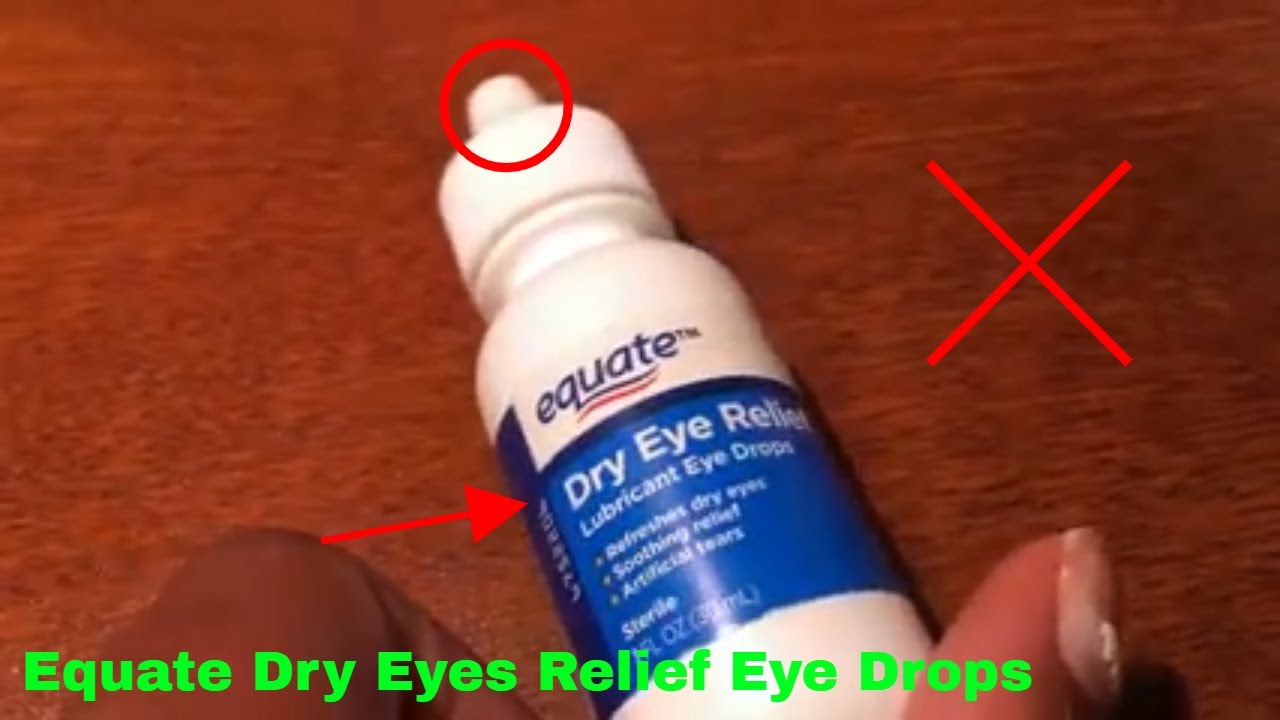
Spring should feel like relief, not like a season of sand in the eyes. When the tear film, the eyelids, and the allergic response are all addressed together, the eyes usually calm down faster than people expect.
Phone:
(951) 346-9857
Website:
opticoreyegroup.com/riverside-plaza.html
Opticore Optometry Group, PC - RIVERSIDE PLAZA, CA
3639 Riverside Plaza Dr, Ste 518,
Riverside,
CA
92506